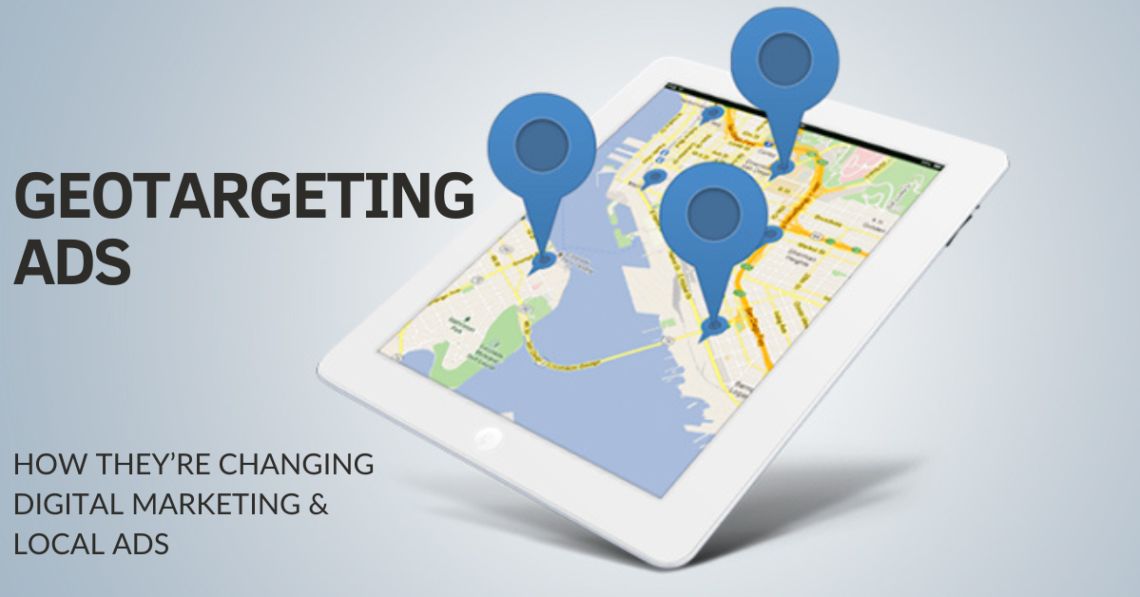
Digital marketing is evolving rapidly, with Geotargeting ads emerging as a game-changing strategy. By leveraging location-based data, businesses can deliver hyper-relevant ads to specific audiences, increasing engagement and conversions. This article explores how Geotargeting ads work, their impact on digital marketing, and why they’re transforming local advertising.
What Are Geotargeting Ads?
Geotargeting ads are those that base their advertisement on geographical details to reach audiences depending on their physical location. In this case, technologies used include GPS, IP addresses, and Wi-Fi to trace the locations of users and give information that relates to the locations.
Main Features of Geotargeting:
- Location Data: Data acquired through user devices to trace out the geographical position of an individual.
- Target Parameters: City, zip code radius, or region which help in defining the target population for the ad.
- Content Customization: There could be location-specific messaging in advertising or offers.
Geotargeting allows businesses to specifically target areas where there will be a high probable achievement.
How Geotargeting Ads Work:
Geotargeting is a technology that uses your location to show specific ads according to your location. That means, when you visit a website on your phone or computer, the sound you see is related to the area around you.
These ads track your location, whether you are near a store, or are in a specific city. If you are near a restaurant, you may be shown special offers or discounts from that restaurant. If you are in a specific city, you may be shown ads of local businesses of that city.
The benefit of this is that businesses can reach their customers easily and show them ads that are relevant to their area. Geotargeting ads help companies make their marketing efforts more effective by giving them direct access to their target audience.
Why Geotargeting Is a Game-Changer in Digital Marketing:
Geotargeting brings big changes in digital marketing because this gives them the chance to get to their customers directly, through location. When brands know their customer’s area or city, then they show ads to them related to that place, which is more relevant and useful.
For example, if you’re near a shopping mall, you’re shown ads for special offers or discounts there, which may be useful to you. These targeted ads are more effective because they reach only people who are interested in those products or services.
In this way, Geotargeting helps businesses optimize their marketing strategy so they can use their resources more efficiently and engage their audience with direct and personalized ads.
Applications of Geotargeting Ads in Local Ads:
Geotargeting is changing the face of local advertising for businesses. Here are a few examples of impactful applications:
Retail Promotions:
Drive foot traffic with localized deals and store-specific offers.
Example: “20% off at our downtown store today only!”
Event Marketing:
Promote concerts, festivals, or community events to nearby residents.
Geotargeting ensures the right people receive the message.
Hospitality Industry:
Hotels and restaurants use geotargeting to attract tourists and local diners.
Example: A hotel can provide discounts to people looking for lodging in its locality.
Real Estate:
Reach homebuyers or home renters in a particular locality or city.
Example: Realtors can display listings to users in areas of high demand.
Healthcare Services:
Hospitals and clinics can provide their services to people staying within a certain distance.
Example: A dental clinic targeting ads within a 10-mile radius of its location.
Benefits of Geotargeting Ads for Businesses:
Geotargeting ads bring several benefits to businesses. The first advantage is that these ads reach only those people who are in a specific location, so the impact of the ad is greater. If a customer is near your store, you can attract him towards you by showing him a location-based offer or discount.
The second advantage is that with geotargeting ads you can use your budget efficiently. You show your ads only in those areas that have more potential customers so that your money is not wasted. This strategy is also beneficial for small businesses that want to keep their ads more targeted and focused.
A third benefit is that geotargeting ads give you more information about customer preferences. When you know the locations customers are coming from, you can customize your products or services to their specific needs. It also boosts customer loyalty, because customers feel that brands understand their needs.
Challenges and Limitations of Geotargeting Ads:
Geotargeting ads also have some challenges and limitations that businesses need to understand. The first challenge is that geotargeting can be difficult to implement accurately. If businesses don’t get accurate data about their audience’s location, their ad may not reach where it is needed. This can lead to wasted ad spend.
Another challenge is privacy concerns. Many people don’t want to share their location, and if they feel their personal information could be misused, they disable their location services. This prevents businesses from displaying their ads to people who may be part of their target audience.
The third limitation is that geotargeting ads can be more complex, especially if you need to run ads in multiple locations. Each region or city may require different strategies, and this can demand additional resources and time.
If businesses understand and address these challenges, it can be easy to reap the benefits of geotargeting ads.
Best Practices for Effective Geotargeting Ads:
To get geotargeting ads across as efficiently as possible:
Understand That Privacy is Part of Geotargeting:
Avoid invasive measures that could result in customers turning down your service.
Use Conjunction With Other Data:
Combine location insight with demographic or behavioral details for improved targeting.
Continuously Test and Optimize Through A/B Testing:
Implement A/B tests to define the most effective messaging format.
Always refine campaigns according to the analytics report and continue from there.
Conduct Leverage on Weather and Events:
Tailor your ads according to real-time factors such as weather conditions or local happenings.
Mobile Users Focus:
Make sure that your ads are mobile-friendly as most location-based searches occur on smartphones.
Conclusion:
Geotargeting ads are reshaping digital marketing by providing hyper-relevant and personalized experiences for users. For local businesses, they offer a powerful way to connect with nearby customers, drive foot traffic, and boost sales. While challenges like privacy concerns exist, the benefits of precision, cost-effectiveness, and customer engagement far outweigh the drawbacks.
As technology evolves, geotargeting will likely become even more advanced, incorporating real-time data and AI to enhance targeting accuracy. Businesses that embrace this strategy today will be well-positioned to thrive in the increasingly localized and personalized future of advertising.
FAQs:
1. What is geotargeting in advertising?
Geotargeting is the practice of delivering ads based on a user’s geographic location to ensure relevance and engagement.
2. How accurate is geotargeting?
Accuracy depends on the data source. GPS and Wi-Fi offer higher precision compared to IP addresses.
3. What industries benefit most from geotargeting ads?
Retail, hospitality, real estate, healthcare, and event marketing are some industries that gain significantly from geotargeting.
4. Are geotargeting ads cost-effective?
Yes, they save money by focusing on specific regions, ensuring that ad budgets are spent on relevant audiences.
5. What tools are available for geotargeting ads?
Platforms like Google Ads, Facebook Ads, and specialized programmatic advertising tools support geotargeting features.
6. Can geotargeting be used for online-only businesses?
Yes, online businesses can use geotargeting to personalize offers based on the user’s location, such as regional discounts or localized content.

