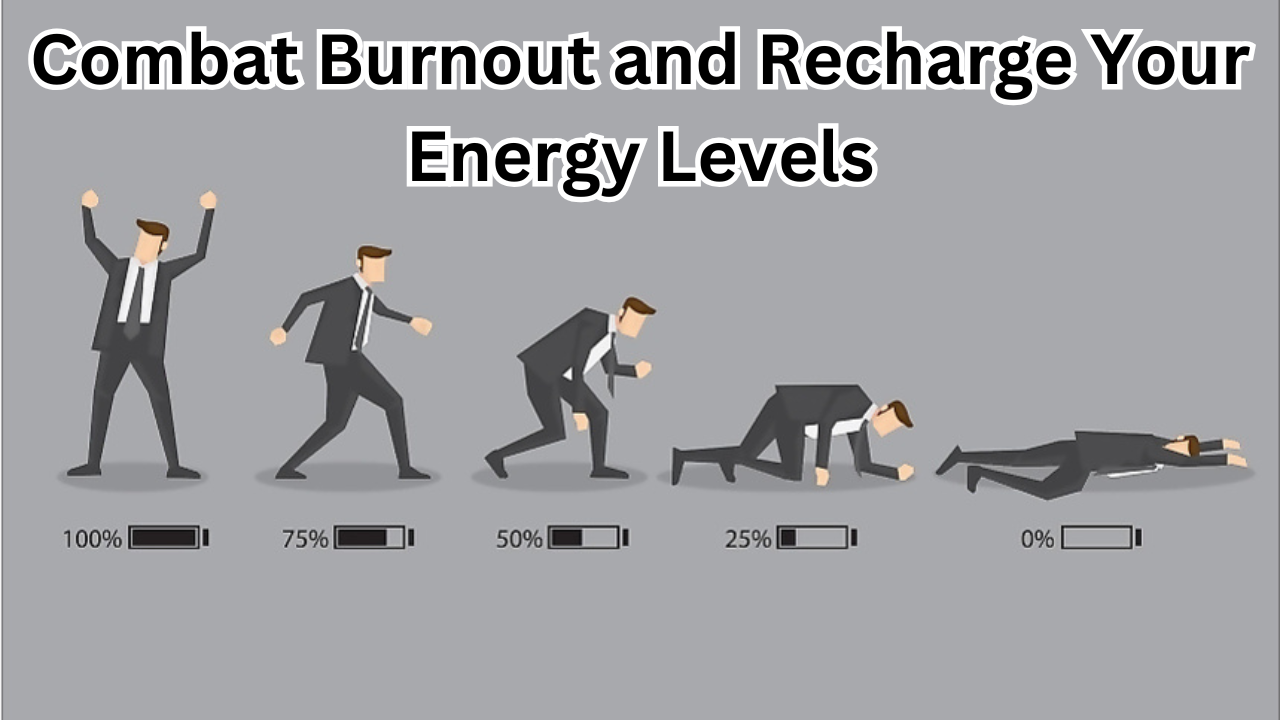
Burnout is a state of emotional physical and mental exhaustion brought on by extended stress it goes beyond simply feeling worn out or overworked. It can occur when you are unable to handle the demands of your personal or professional life. You may feel exhausted disengaged and unproductive after experiencing burnout which frequently happens gradually. A heavy workload a lack of control or a misalignment between your personal values and the tasks your performing are just a few of the many sources of stress that can result in burnout but the consequences are universal. Early detection is crucial because burnout symptoms include exhaustion irritability a sense of helplessness and a lack of motivation. The key to avoiding long-term detrimental effects on your performance and health is to address burnout as soon as possible.
Recognizing the Signs of Burnout:
Understanding the symptoms of burnout is essential before you can take action to prevent it. Often beginning slowly burnout gradually worsens and impacts your mental and physical health. Frequent mood swings difficulty concentrating and physical exhaustion even after a full night’s sleep are typical symptoms. A sense of helplessness heightened irritability or feelings of detachment are examples of emotional indicators. Additionally, you might observe that you are less productive and that you are less excited about things that used to make you happy. You can reverse the effects of burnout sooner if you recognize these symptoms early.
Prioritizing Self-Care and Rest:
One of the best ways to combat burnout is to prioritize self-care. Rest is essential for replenishing your energy levels because it takes time for your body and mind to recover from prolonged stress. For most adults, seven to nine hours of sleep per night is the recommended amount. Sleep is essential for regaining emotional balance enhancing cognitive performance and promoting physical healing. Along with getting enough sleep consider incorporating meditation or mindfulness deep breathing exercises into your daily routine. By promoting relaxation and reducing stress hormones these methods can assist you in overcoming challenges with improved mental clarity and emotional balance.
Setting Boundaries and Saying No:
An important factor in feeling overburdened and one of the main causes of burnout is over commitment. Setting clear boundaries and learning when to say no are crucial for effectively battling burnout. This can entail declining new assignments setting limits on your working hours or participating in fewer activities. Saying no is an act of self-preservation, not selfishness. You can avoid burnout by focusing on the most crucial tasks recognizing your boundaries and safeguarding your time and energy. Never forget that your health should always come first and it is acceptable to put your health ahead of other people’s expectations.
Taking Breaks and Disconnecting:
Working nonstop without enough breaks frequently leads to burnout. Taking breaks is crucial to replenishing your energy whether they occur during the workday or throughout the week. Get up from your desk go for a walk or do something you enjoy. Your ability to focus and think clearly can be greatly impacted by even brief but frequent breaks. During your time it is also critical to detach from work. Do not check your emails or respond to work-related messages on the weekends or in the evenings. This boundary ensures that you return to your tasks with fresh energy by allowing your brain to rest and re-calibrate.
Engaging in Physical Activity:
Exercise is a great way to increase energy and fight burnout. Engaging in physical activity directly affects mental health in addition to physical health. The body’s natural mood enhancer’s endorphins are released during exercise and aid in stress reduction as well as the promotion of feelings of contentment and relaxation. You can fight fatigue get better sleep and sharpen your mind by engaging in regular physical activity. Finding an exercise regimen that suits you whether it be running yoga or just taking a quick stroll can have a big impact on your capacity to recover and fight burnout.
Seeking Support and Social Connection:
Its vital to understand that you dont have to experience burnout alone even though it can frequently feel lonely. The sense of loneliness that frequently accompanies burnout can be lessened by asking friends family or coworkers for support. Expressing your emotions honestly can help you feel better emotionally and see your circumstances from a different angle. Sharing your difficulties with others can occasionally lead to the discovery of coping mechanisms or solutions that you may not have otherwise thought of. Apart from providing emotional support it is beneficial to partake in enjoyable social activities. Engaging in hobbies spending time with loved ones or joining a community group are all examples of social connections that are essential for replenishing your emotional and mental reserves.
Reassessing Your Goals and Priorities:
Reevaluating your priorities and goals is crucial if you want to effectively fight burnout. When your behavior and your deeper values or desires are not in harmony burnout frequently results. Consider your priorities both personally and professionally for a while. Do you prioritize activities that fit your interests and long-term goals or are you compromising your well-being or personal time to meet demands from others? By reassessing your objectives you can make changes that will improve the balance between work play and rest. You can regain a sense of direction and purpose with the aid of this reevaluation process which is crucial for preventing burnout in the future.
Conclusion:
Combating burnout is a multifaceted process that requires attention to your physical, emotional, and mental well-being. By prioritizing rest, setting boundaries, taking regular breaks, engaging in physical activity, and seeking support, you can effectively recharge your energy levels and restore balance to your life. Remember that combating burnout isn’t about pushing through exhaustion; it’s about recognizing when you need to slow down, reassess your priorities, and take proactive steps toward self-care. By following these strategies, you can protect your well-being and enjoy a healthier, more fulfilling life.