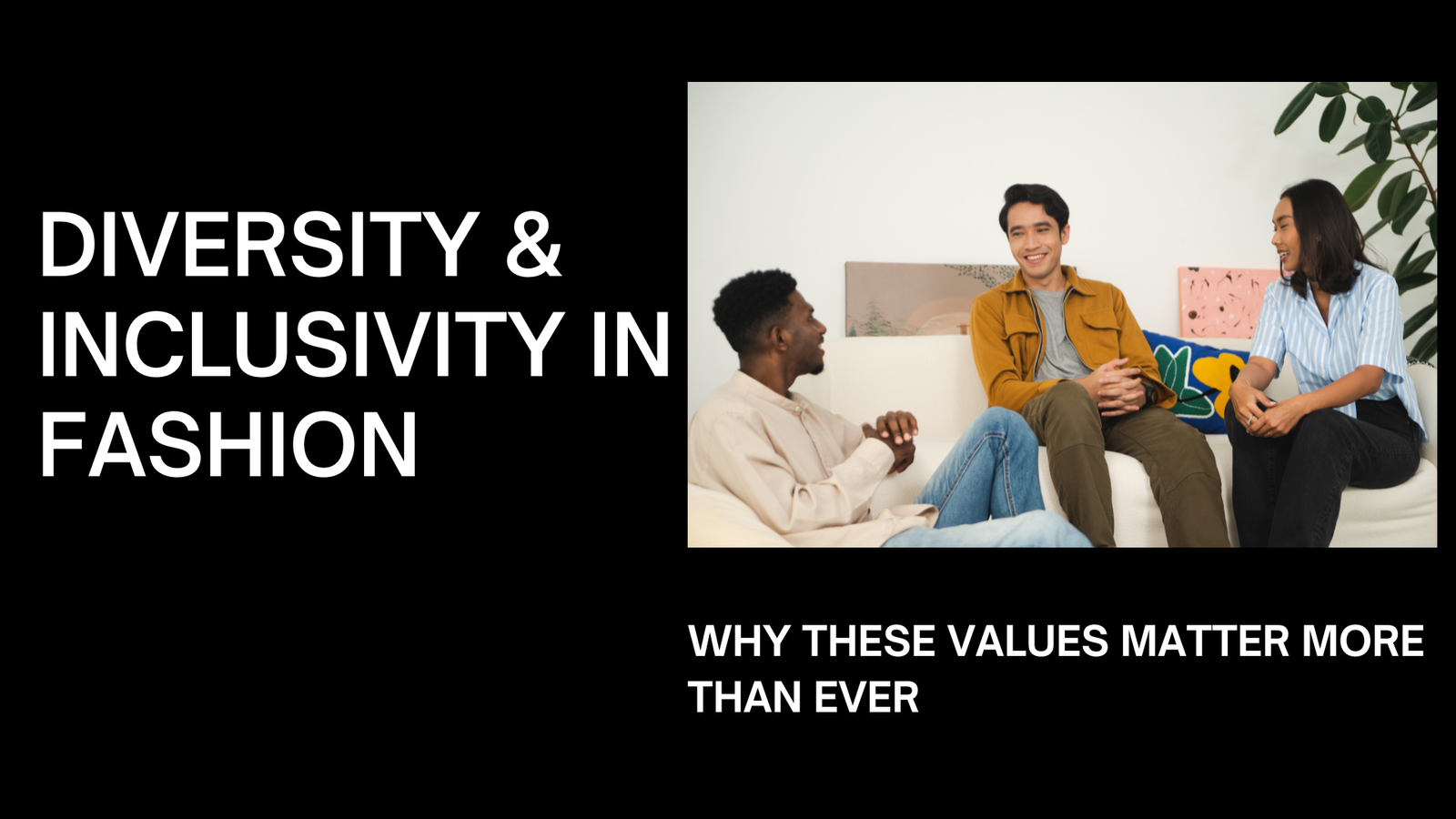
Fashion has always been a powerful medium of expression, reflecting the culture and ethos of the times. However, the industry has often been criticized for lacking diversity and inclusivity. Today, these values are no longer optional but necessary, shaping the future of fashion in a way that resonates with people worldwide. This article will explore the growing importance of diversity and inclusivity in fashion and how they are redefining the industry.
The Trend to Inclusivity and Diversity:
Over the last ten years, the fashion industry has been subject to a seismic shift. No longer are beauty standards stiff and exclusive, but the industry is moving toward greater inclusivity in the body type, ethnicity, gender, and abilities that the industry presents.
This change is inspired by:
- Consumer Demand: Contemporary consumers want representation and will voice their desire for the brand to be reflective of reality and representative of real-world diversity.
- Social Movements: Campaigns such as #BodyPositivity and #BlackLivesMatter have highlighted the lack of representation in fashion.
- Globalization: With the globalization of fashion, brands are forced to accommodate a wider range of consumers.
Why Diversity Matters:
1. Representation is Reality:
Fashion defines social standards. The beauty and style of a thing become common when the industry speaks for all.
2. Empowerment of Individuals:
Inclusivity boosts self-esteem and empowers individuals to embrace their uniqueness. Seeing models or influencers who resemble oneself fosters a sense of belonging.
3. Economic Impact:
Diverse and inclusive brands resonate more with consumers, leading to increased loyalty and market share. Research shows that companies prioritizing diversity often outperform their competitors financially.
Examples of Inclusivity in Action:
Several brands have set an example by embracing diversity:
- Savage X Fenty: Rihanna’s lingerie brand has revolutionized lingerie by using models of different sizes, ethnicities, and abilities.
- Tommy Hilfiger Adaptive Line: Tommy Hilfiger has adapted its clothing line for individuals with disabilities, fusing fashion with functionality.
- Chromat: This brand is also known for its body-positive runway shows and uses models in all shapes, sizes, and gender identities.
These above-mentioned examples show how diversity can raise the bar on brand identity while also increasing customer engagement.
Role of Media and Technology:
Media and technology are the champions of diversity:
- Social Media Advocacy: Instagram and TikTok are the spaces where diverse voices can be showcased, and underrepresented groups gain visibility.
- Virtual Models: Digital tools help brands develop avatars that represent a variety of body types and ethnicities.
- AI in Design: AI is being used to create more inclusive clothing designs to ensure a better fit for diverse consumers.
Challenges that the Fashion Industry Faces:
Though there is progress, the challenges persist:
- Tokenism: Many firms embrace diversity only on paper, bringing accusations of allyship performed.
- Systemic Bias: The industry’s legacy of exclusivity calls for broader systemic transformations.
- Balancing Sustainability with Inclusiveness: A sustainable product range that remains inclusive will involve a huge cost.
All this above requires more than tokenism and the commitment of years.
Steps Brands Can Take:
To cultivate true diversity and inclusion, the brands must
- Hire Diverse Teams: Representation should begin with the organization. A diverse team brings new perspectives and ideas.
- Engage Communities: Work with underrepresented communities to co-create collections that resonate authentically.
- Transparent Marketing: Show diversity in campaigns without using stereotypes or clichés.
- Affordable Pricing: Inclusive fashion should be accessible to all, not just a niche market.
- Continuous Education: Educate employees on cultural sensitivity and the importance of inclusivity.
The Consumer’s Role in Driving Change:
Consumers have a significant influence on brands. When customers demand companies to become more inclusive and criticize companies that don’t, they push the market toward a better direction. Collective power through reviews, social media advocacy, and purchases dictates market trends.
Diversity and Inclusion in Fashion Future:
The future of fashion will be dictated by the industry’s ability to adjust itself according to the world it reflects. Trends likely to rule the industry are:
- Personalized Fashion: Technological adaptation in creating specific clothes tailored for individuals according to body type or any form of ability.
- Global Inspiration: Get design inspiration from less represented cultures with respect to authenticity
- Sustainable Inclusivity: Balancing the requirement for eco-friendliness and inclusivity to have an ethical yet impactful fashion.
Conclusion:
Diversity and inclusivity in fashion are not mere trends, they are transformative values shaping a better future. By embracing these principles, the industry can become a true reflection of society, where everyone has a place and a voice. Whether as a consumer or a brand, each of us has a role in making fashion more inclusive, empowering, and impactful.
FAQs:
1. Why is diversity important in fashion?
Diversity ensures the industry represents all individuals, empowering people and reflecting real-world beauty standards.
2. How can brands achieve inclusivity?
Brands can hire diverse teams, collaborate with communities, and prioritize transparent and authentic marketing.
3. Are inclusive brands more successful?
Studies show that inclusive brands build stronger consumer loyalty and often outperform competitors financially.
4. What is tokenism in fashion?
Tokenism is when brands superficially embrace diversity for appearances, without genuine effort or systemic changes.
5. How does technology promote inclusivity?
Technology enables virtual models, AI-driven designs, and personalized fashion, making clothing more accessible and representative.
6. What’s the future of inclusivity in fashion?
The future includes sustainable inclusivity, personalized fashion, and global design inspiration that honors cultural heritage.